
Planning a major festival in 2025 isn’t just about stages, lights, and headliners—it’s a logistical tightrope walk where one misstep can cause massive financial and legal fallout. Whether you’re hosting a multi-day EDM blowout, a cultural celebration, or a film and food weekend, festival insurance is no longer just for “what-ifs.” It’s the foundation of trust, safety, and survival for your event.
In a world of unpredictable weather, global volatility, and six-figure vendor contracts, specialized festival insurance protects everything you can’t afford to lose: your team, your tech, your reputation—and your dream.
Organizer? Vendor? Performer? Don’t Lose It All—Get Protected!
Imagine these real concerns:
- “What if our headline artist cancels two days before the show?”
- “What if lightning delays our entire setup?”
- “What if an attendee gets injured and we get sued?”
- “How do I protect our $100K in sound equipment from rain or power surges?”
- “What coverage do I need to serve alcohol or use pyrotechnics legally?”
These aren’t edge cases—they’re common occurrences. And without insurance, they could end your event before it starts.
👇 This guide breaks it all down—from risks and policy types to real examples from global festivals and how to pick the right coverage for your exact event type.
🌍 Why Festival Insurance Matters in 2025: Coverage, Examples, and Strategic Protection
Live events like festivals and concerts represent far more than just entertainment—they are cultural phenomena, tourism boosters, and massive logistical undertakings. With rising costs, complex risks, and unpredictable global conditions, festival insurance in 2025 is no longer optional for organizers or vendors. It’s a strategic safeguard—and a requirement for most venues.
🔑 Quick Takeaways
- Festival insurance protects against cancellations, weather, liability, and tech damage.
- Policies are required by most venues and cover organizers, vendors, and event infrastructure.
- Includes options like weather insurance, non-appearance, and liquor liability.
- Crucial for high-attendance events, multi-day festivals, and tech-heavy productions.
- Premiums vary by event type, risk level, and location—but skipping it can mean disaster.
🎉 Why Festival Insurance is Non-Negotiable in 2025
From lawsuits to lightning storms, large-scale events come with high-stakes risks. Just one slip, storm, or equipment failure can ruin months of planning. Insurance isn’t just backup—it’s what allows your event to exist at all.
💡 Did you know? Most venues won’t even rent to you unless you show proof of liability insurance—and name them as an additional insured.
📊 Real Risks, Real Coverage Needs
| 🧭 Risk | 🌍 Example Scenario | ✅ Why Insurance Matters |
|---|---|---|
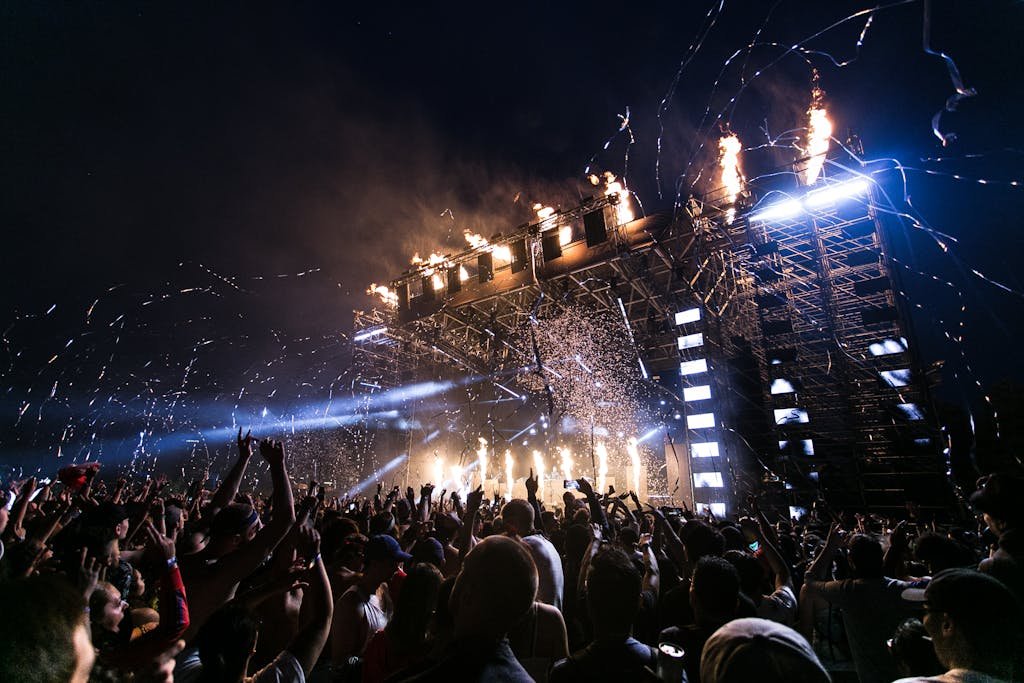
| Stage Collapse | Rig failure at EDM show in storm | Pays for injury lawsuits, gear replacement, and emergency aid |
| Artist No-Show | Headliner cancels last-minute | Non-appearance clause refunds lost income and vendor deposits |
| Liquor Liability | Drunk attendee causes a fight | Covers medical and legal bills |
| Lightning Storms & Floods | Outdoor venue flooded or power outage from lightning | Triggers weather payout or cancellation protection |
| Equipment Damage | Soundboard shorted due to rain | Covers rental replacement and repair costs |
| Technical Failures | Lighting rig shorts out during headline act | Equipment insurance covers damage and setup delays |
| Attendee Injury | Crowd stampede during performance | Liability pays for injuries, legal fees, and settlements |
| Canceled Due to Terror Threat | Police mandate shutdown for security reasons | Cancellation insurance protects your entire investment |
📥 Want a printable planner? Download our Festival Risk Checklist PDF
📌 Prefer a visual guide? Save our Pinterest Carousel Pin for Festival Insurance
🌍 Top 20 Festivals Globally — and Why They Need Insurance
These globally recognized festivals aren’t just crowd favorites—they’re high-risk, high-value productions that demand robust insurance strategies. Each draws tens of thousands to hundreds of thousands of attendees and involves complex logistics, tech setups, and global artists.
| Festival Name | Location | Avg. Attendance | Why Insurance Is Crucial |
|---|---|---|---|
| Tomorrowland | Belgium | 600,000+ | Tech-heavy EDM show vulnerable to weather & non-appearance |
| Glastonbury | UK | 200,000+ | Multi-day with alcohol, stages, and crowd safety concerns |
| Coachella | USA (California) | 250,000+ | Artist cancellation, weather, vendor & sponsorship liability |
| Burning Man | USA (Nevada) | 70,000+ | Environmental risk, fire, extreme dust & health liability |
| Lollapalooza | USA (Chicago) | 400,000+ | Tech damage, weather threats, urban liability |
| Fuji Rock | Japan | 100,000+ | Earthquake/weather coverage + gear protection |
| Rock in Rio | Brazil | 700,000+ | Performer risk, stage logistics, cancellation clauses |
| Ultra Music Festival | USA (Miami) | 170,000+ | EDM gear, sound & lighting breakdowns, alcohol risks |
| Exit Festival | Serbia | 200,000+ | Castle venue, unique stage rigging, international artists |
| Montreux Jazz Festival | Switzerland | 250,000+ | Historic venue & expensive instruments = gear insurance |
| Primavera Sound | Spain | 220,000+ | Diverse acts, multi-venue coordination, guest experience |
| Sziget Festival | Hungary | 500,000+ | Island setup = weather/cancellation high-risk |
| Edinburgh Fringe | Scotland | 3 million+ visits | Artist no-shows, theater stage risk, multiple micro-events |
| Paléo Festival | Switzerland | 230,000+ | Logistics across multiple genres and spaces |
| Afro Nation | Portugal | 40,000+ | High-profile acts, travel interruption risk |
| Essence Festival | USA (New Orleans) | 500,000+ | Vendor exposure, alcohol licensing, VIP security coverage |
| SXSW | USA (Texas) | 280,000+ | Multi-industry exposure = tech, music, speakers, vendors |
| WOMAD | Global (UK, AUS) | 30,000–70,000 | Cultural fest with unique staging and equipment import risks |
| Amsterdam Dance Event | Netherlands | 400,000+ | Urban infrastructure + night venues = safety & liability |
| Electric Daisy Carnival | USA (Las Vegas) | 400,000+ | Nighttime desert event = power outage, heat-related incidents |
🔗 Recommended Providers: SafetyWing & World Nomads
If you’re planning, performing, or vending at a festival—especially internationally—your standard business or travel insurance won’t cut it. We recommend:
- Flexible global coverage
- Great for digital nomads, vendors, and crews
- Buy while traveling
- Covers gear (cameras, laptops)
- Adventure activity add-ons (filming, festivals, gigs)
- Emergency medical + evacuation
*We receive a fee when you get a quote from World Nomads using this link. We do not represent World Nomads. This is not a recommendation to buy travel insurance.
🔗 See how these compare to other options in our Travel Insurance Comparison Guide.
🧠 Final Thought
Festival insurance isn’t just a checkbox—it’s your invisible headliner. It’s what keeps the lights on, the music playing, and the crowds safe. In 2025, as the world reopens and festivals scale up bigger than ever, proper insurance is the difference between a headline night or a headline lawsuit.
🛠 Use the checklist. Compare providers. Think of insurance as part of your production budget—not an afterthought.
❓ Festival Insurance FAQ
Q: Do I need festival insurance for a small local event?
A: Yes. Even small events face risks—injuries, theft, equipment damage, or weather cancellation.
Q: What does festival insurance NOT cover?
A: Most policies exclude intentional damage, illegal activities, or unlicensed performances. Read your policy closely.
Q: Can I get insurance if the festival has already started?
A: Some providers like SafetyWing allow late enrollment. Earlier is better, but all is not lost.
Q: Does artist insurance cover crew or gear?
A: No—most artist policies are personal. You’ll want separate production or equipment coverage.
Q: How much does festival insurance cost?
A: Depends on risk, location, attendance, and gear value. Could range from $300 for a micro-event to $100K+ for a mega festival.

Disclaimer
The content provided on this website is for informational and educational purposes only. While we strive to ensure that all information is accurate and up to date, travel insurance policies and provider terms are subject to change without notice. We do not offer legal, medical, or financial advice. We encourage readers to consult directly with licensed professionals or insurance providers before making any decisions. Some links on this site may be affiliate links, meaning we may earn a commission at no extra cost to you. Your trust is important to us, and we only recommend products or services we believe offer genuine value.